The Building Technical Inspection (ITE) is a mandatory review that guarantees that your building is in a good state of conservation, safe for its occupants, and in compliance with current regulations.
If your property is more than 50 years old, you are probably already required to pass it.
In our architecture studio, we carry out the complete ITE, manage the official report, and accompany you through all the procedures with the City Council or the Autonomous Community.
What is the ITE and what is it for?
The ITE is the “MOT of buildings”: a technical examination that evaluates the main elements of the property to ensure its structural safety, habitability, and energy efficiency.
The result is reflected in a technical report prepared by a certified architect or surveyor, which classifies the state of the building and, if necessary, establishes the mandatory repairs.
-Guarantees the safety of the residents
-Avoids penalties or fines for non-compliance
-Revalues the building and facilitates rehabilitation subsidies
When is the Technical Inspection mandatory?
The ITE is mandatory for buildings over 50 years old, although the exact deadlines may vary depending on each municipality or autonomous community.
In general:
- Collective residential buildings: must pass the ITE when they reach 50 years of age and renew it every 10 years.
- Some cities require ITE sooner (40 or 45 years).
- If serious deficiencies are detected, the repair works must be carried out before the next inspection.
What is checked in an ITE?
The architect performs a visual and documentary inspection of:
- Structure and foundation
- Exterior and interior facades
- Roofs, tiles and terraces
- General installations (sanitation, plumbing, electricity)
- Accessibility and energy efficiency conditions
The final report can be:
- Favorable: the building is in good condition.
- Unfavorable: deficiencies are detected that require intervention.
How is an ITE done step by step?
- Age review: we check if your building is required.
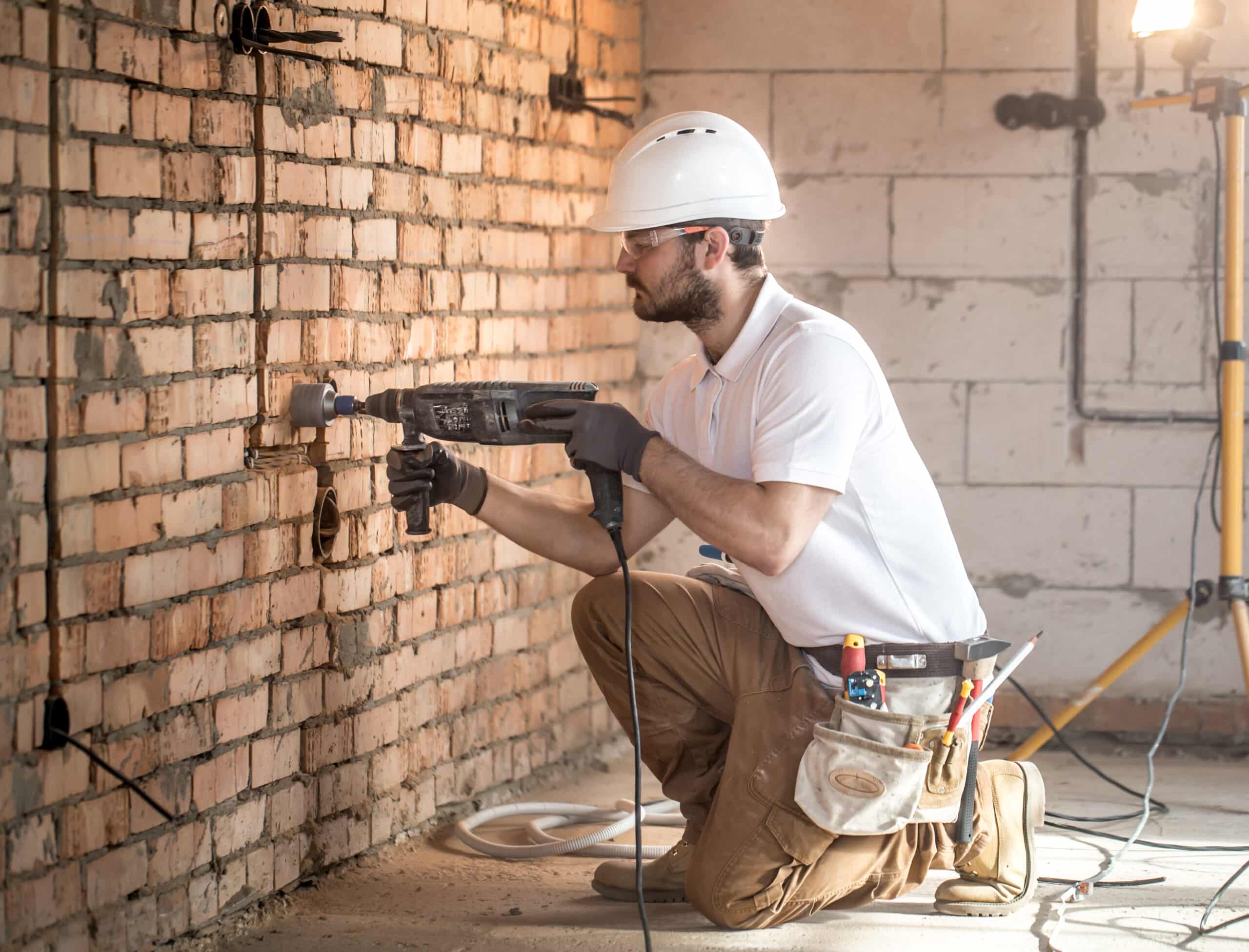
- Technical visit: we inspect the structure, facade, and roofs.
- Preparation of the ITE report: we classify the state of the building.
- Official registration: we present the report to the City Council or the autonomous community.
- Advice: we guide you in case of repairs or subsidies.
Benefits of passing the ITE with a specialized architect
You avoid penalties and legal problems.
You detect structural pathologies in time (cracks, dampness, leaks).
You gain heritage value: the building is revalued.
You have access to public aid and subsidies.
You increase the safety and confidence of all residents.
Necessary documentation
- Deed or simple note of the property
- Cadastral reference
- Plan or sketch of the building
- Data of the representative or community of owners
- Last license or project (if it exists)
Who pays for the ITE?
The community of owners or the sole owner of the building.
What happens if the ITE is not passed?
The City Council may impose sanctions and demand the immediate execution of urgent works.
How long is the report valid?
Normally 10 years, unless an earlier review is indicated due to deficiencies.
Can it be combined with the Energy Certificate?
Yes, and it is usually advisable to do so to save time and money.